Why Choose Vibro Machine for Efficient Industrial Operations?
In the rapidly evolving industrial landscape, efficiency is paramount. As industries strive for optimized operations, the vibro machine has emerged as a valuable asset. Dr. Emma Hart, a leading expert in vibration technology, states, "Vibro machines are essential for maximizing productivity in many sectors." Her insights highlight the transformative power of this equipment.
Vibro machines utilize controlled vibrations to enhance processes like sorting, compacting, and feeding materials. This technology not only improves speed but also ensures uniformity in production. For instance, industries like food processing and pharmaceuticals have reported remarkable gains in output quality. However, the integration of vibro machines requires careful consideration. Specifying the right type and scale for your operation can be challenging.
Investing in a vibro machine isn't just about immediate results. It's about long-term sustainability and growth. Yet, as with any technology, the potential for misapplication exists. Researchers emphasize the importance of training and adaptability to avoid pitfalls in machine operation. Ultimately, the vibro machine stands out, but its effectiveness hinges on proper integration within an operation.
Understanding the Basics of Vibro Machines in Industry
Vibro machines play a vital role in modern industrial operations. These machines utilize vibration technology to enhance material handling and processing efficiency. According to a report by Grand View Research, the global vibration equipment market is expected to reach $4.3 billion by 2025, highlighting the growing reliance on such technology across various industries.
Vibro machines are essential for processes like separation, consolidation, and granulation of materials. They ensure uniformity in material distribution. For instance, vibratory conveyors increase the speed of material flow by up to 50%. This not only accelerates production but also minimizes labor costs. However, selecting the right vibro machine requires careful consideration. Factors such as size, power, and application must align with operational needs.
Despite their advantages, vibro machines are not without challenges. Maintenance is crucial for optimal performance. Vibration can lead to wear and tear, impacting efficiency. Operators should monitor machine health regularly. Industry experts recommend a proactive maintenance schedule to avoid unexpected downtimes. Companies must invest in training staff about operational best practices. Inadequate training can lead to inefficiencies that counteract the benefits of these machines.
Key Benefits of Using Vibro Machines for Industrial Efficiency
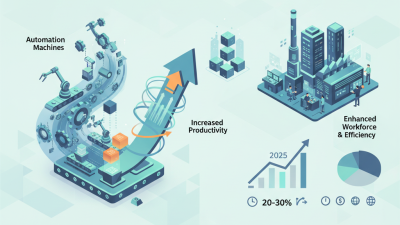
Vibro machines play a crucial role in enhancing industrial efficiency. Their ability to streamline processes is backed by industry studies. For instance, a report by the International Journal of Industrial Engineering suggests that machines equipped with vibratory technology can boost productivity by 30%. This efficiency arises from their capability to handle bulk materials effectively, reducing downtime during operations.
The precision of vibro machines also directly impacts operational costs. According to a research study from the Engineering Materials Group, using vibro technology can result in a material wastage reduction of up to 15%. This precision ensures that every ounce of material is optimally utilized, leading to significant savings for industries. Vibratory finishes, for example, utilize less energy and can outperform traditional methods in efficiency.
However, the initial setup cost for vibro machines can be daunting for some businesses. While they yield long-term savings, the upfront investment requires careful financial planning. Companies must weigh these costs against potential gains to make informed decisions. Challenges such as maintenance and training for staff also need consideration. The transition to vibro technology must be managed to avoid operational disruptions.
Why Choose Vibro Machine for Efficient Industrial Operations? - Key Benefits
| Benefit |
Description |
Impact on Efficiency |
| Improved Material Flow |
Enhances the flow and distribution of materials, reducing downtime. |
Increases throughput by up to 25%. |
| Versatile Applications |
Applicable for a wide range of materials including powders, granules, and bulk solids. |
Flexibility in operations improves overall productivity. |
| Energy Efficiency |
Designed to use less energy while maintaining optimal performance. |
Cost savings on energy bills can be substantial. |
| Reduced Wear and Tear |
Minimizes mechanical stress, leading to longer equipment life. |
Lower maintenance costs and reduced downtime. |
| Enhanced Product Quality |
Improves uniformity and consistency in processing materials. |
Higher quality output meets industry standards. |
Applications of Vibro Machines Across Different Sectors
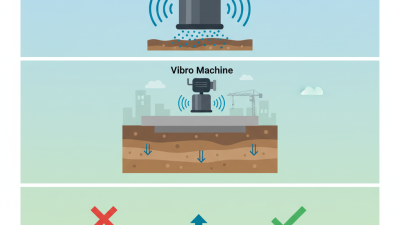
Vibro machines play a crucial role in various industrial sectors. Their ability to enhance efficiency through optimized processes is noteworthy. In construction, these machines compact soil to ensure stability. This is vital for building foundations. Industries use vibro machines for sorting materials efficiently. Their vibratory action separates different types of aggregates seamlessly. The efficiency they bring cannot be overlooked.
In the mining sector, vibro machines help in mineral separation. The vibrations assist in shaking out fine particles from ores. This improves yield and reduces wastage. Vibro machines also find their place in the food industry. They aid in packaging processes, ensuring products are accurately filled and sealed. However, the challenge lies in maintaining consistent performance under varying conditions.
Despite their advantages, some drawbacks exist. Regular maintenance is essential to prevent breakdowns. Over time, wear and tear can affect efficiency. Operators should be trained thoroughly to handle these machines effectively. Suboptimal use can lead to unwanted vibrations and material mishandling. It’s crucial to constantly evaluate the operational process to ensure optimal results.
Applications of Vibro Machines Across Different Sectors
Comparative Analysis: Vibro Machines vs. Other Equipment
Vibro machines have gained popularity in industrial settings, thanks to their efficiency and versatility. In a comparative analysis with other types of equipment, vibro machines stand out in several ways. They are known for their ability to handle various materials, reducing downtime during operation. In contrast, traditional machines often struggle with material variability, leading to frequent adjustments and potential bottlenecks.
One important aspect to consider is maintenance. Vibro machines typically require less frequent servicing, which can save costs and time. Other machines may need regular tune-ups and part replacements, creating added operational challenges. It's essential for businesses to evaluate their needs and select equipment that aligns with their operational goals.
Pay attention to the training required for operators. While vibro machines are user-friendly, proper understanding of their mechanics enhances safety and efficiency. Invest in training sessions to maximize the capabilities of the equipment. Reflecting on the learning process can provide insights into potential areas for improvement and future investments. Regular assessments can also help identify whether the current machinery meets evolving industry demands.
Factors to Consider When Selecting a Vibro Machine for Operations
Selecting the right vibro machine is crucial for optimizing industrial operations. Key factors to consider include machine specifications and operational needs. Each type of vibro machine serves different purposes. For example, some are designed for shaping materials, while others focus on providing vibration to aid in settling. Understanding the specific needs of your operation can guide you towards the right choice.
Another important aspect is the machine's size and capacity. Assess the space available in your facility. Make sure the chosen machine can fit and perform efficiently without causing disruptions. Noise levels and vibration intensity should also be evaluated. High noise levels can lead to safety concerns and worker discomfort. Each of these factors directly impacts both workflow and employee satisfaction.
Lastly, consider the maintenance requirements of the vibro machine. Some may need frequent servicing, while others offer more reliability. A machine that requires less maintenance can lead to long-term cost efficiency. Reflection on previous experiences with machinery can provide invaluable insights. It’s essential to analyze past operational challenges and align your choice accordingly.