How to Use Automation Machines to Enhance Productivity in 2025
In the rapidly evolving landscape of the modern workplace, automation machines have emerged as a cornerstone for enhancing productivity across various industries. According to a report by McKinsey, by 2025, approximately 70% of companies could adopt automation technologies, resulting in a profound shift in operational efficiency and workforce dynamics. This trend is driven by the necessity for businesses to streamline processes, reduce costs, and maintain competitiveness in an increasingly complex global market. As organizations embrace these technological advancements, the integration of automation machines not only enhances output but also allows for a reallocation of human resources towards more strategic, value-driven tasks.
The potential impact of automation machines on productivity is quantified in recent industry studies, which project an average productivity increase of 20%-30% in sectors that fully leverage these technologies. The World Economic Forum highlights the significant role of automation in meeting consumer demands for faster and more accurate service delivery, as well as addressing labor shortages in key industries. As we move towards 2025, the strategic implementation of automation machines will be indispensable for businesses aiming to innovate and thrive in this dynamic environment, ultimately leading to sustained growth and improved operational resilience.

Understanding Automation Machines and Their Role in Productivity
Automation machines are redefining productivity across various industries by streamlining processes and reducing human error. These machines encompass a range of technologies, from robotic arms on production lines to AI-driven software that manages supply chains. By taking over repetitive and labor-intensive tasks, automation machines enable employees to focus on more strategic initiatives, ultimately fostering creativity and innovation. This shift not only enhances overall efficiency but also allows for improved job satisfaction as workers engage in more meaningful tasks.
In 2025, the integration of automation machines will be crucial for businesses aiming to maintain a competitive edge. Understanding how these machines operate is essential for maximizing their impact on productivity. Companies must invest in training their workforce to collaborate effectively with these technologies, ensuring a seamless transition to automated processes. By leveraging data analytics and machine learning capabilities, organizations can gain insights that drive decision-making and optimize workflows. When implemented thoughtfully, automation machines not only boost output but also pave the way for smarter, more adaptive work environments in the future.
Key Types of Automation Machines for Various Industries in 2025
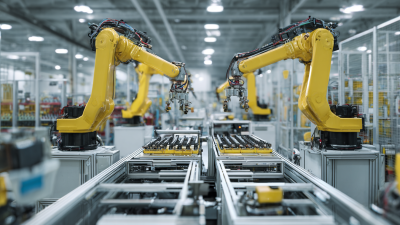
In 2025, various industries are expected to leverage automation machines to boost productivity across multiple sectors. One prominent type of automation machine is the robotic arm, widely used in manufacturing environments for tasks such as assembly, welding, and painting. These versatile machines enhance efficiency by performing repetitive tasks with precision, reducing human error, and allowing human workers to focus on more complex responsibilities.
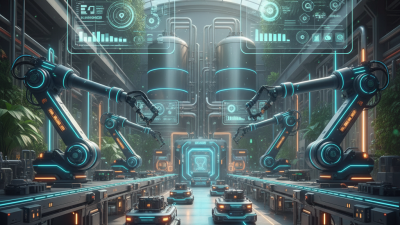
Another key automation machine is the automated guided vehicle (AGV), which is revolutionizing logistics and warehousing operations. AGVs facilitate material handling by transporting goods seamlessly within facilities, optimizing workflows and inventory management. Their operation requires minimal human intervention, allowing businesses to streamline processes and reduce labor costs while ensuring timely delivery of products to various production stages.
Lastly, process automation software has become indispensable in industries such as finance and healthcare. This technology automates data entry, transaction processing, and compliance reporting, significantly reducing the time and effort required for these tasks. By integrating such automation solutions, organizations can improve accuracy, enhance decision-making capabilities, and respond more rapidly to market demands, ultimately driving overall productivity and growth.
Strategies for Implementing Automation Solutions Effectively
Implementing automation solutions effectively in 2025 requires a strategic approach that aligns with your organization's specific goals and processes. Begin by assessing your current workflows to identify tasks that can benefit from automation. This could include repetitive processes that consume significant time and resources. Once you've pinpointed these areas, prioritize them based on the potential impact on productivity and cost savings.
Tips: Engage your team during this assessment phase. Their insights can help highlight pain points and successful areas where automation could thrive. Involving staff not only improves buy-in for the changes but also supports a smoother transition when automation tools are introduced.
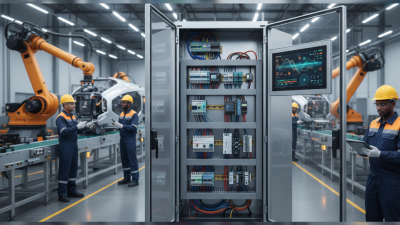
Another crucial strategy is to invest in training and development. As automation machines are integrated, ensure that your workforce is equipped with the necessary skills to operate and manage these tools efficiently. Offering regular training sessions can help employees feel more comfortable and confident in using new technologies, ultimately leading to increased productivity.
Tips: Create a feedback loop where employees can share their experiences and challenges with the automation tools. This ongoing dialogue can inform future training sessions and improvements, tailor the automation strategies to better fit the team's needs, and enhance overall success in implementing automation solutions.
Measuring the Impact of Automation on Productivity Metrics
In 2025, the integration of automation machines into various industries is set to significantly transform productivity metrics. According to a report from McKinsey & Company, organizations that effectively leverage automation technologies could see a productivity increase of up to 25% by automating routine tasks. This transition not only accelerates workflows but also allows human workers to focus on more complex problem-solving and creative tasks, enriching the overall work environment.
Furthermore, a study by the World Economic Forum highlights that businesses employing advanced automation tools experience improved accuracy and reduced error rates—metrics that are crucial for productivity evaluation. In sectors like manufacturing and logistics, automation has led to a reduction in operational costs by approximately 20%, enabling companies to reinvest in workforce training and innovation. These shifts in productivity metrics underscore the growing reliance on automation machines as essential assets for organizational growth and efficiency in the evolving landscape of work.
Future Trends in Automation Technology and Their Implications for Businesses
As we look towards 2025, the landscape of automation technology is poised for transformative growth, driven by advancements in artificial intelligence and machine learning. According to a report by McKinsey, approximately 70% of companies are expected to adopt some form of automation in their operations by 2025. This shift not only enhances productivity but also fosters a new era of efficiency and precision in various industries. The integration of automation machines can streamline processes, reduce human error, and allocate resources more effectively, enabling businesses to focus on strategic initiatives rather than mundane tasks.
Moreover, the implications of these trends extend beyond mere operational improvements. A Gartner study projects that organizations implementing automation technologies could increase their productivity by up to 25% by 2025, significantly boosting their competitive edge. Furthermore, with the growing demand for customized and rapid deployment of services, automation machines are evolving to adapt to real-time changes in consumer behavior, ensuring that businesses remain agile in a fast-paced market. As companies harness these innovations, the ability to analyze vast amounts of data and optimize workflows becomes paramount, marking a crucial development in business strategy and execution.
Automation Machines Impact on Productivity (2020-2025)