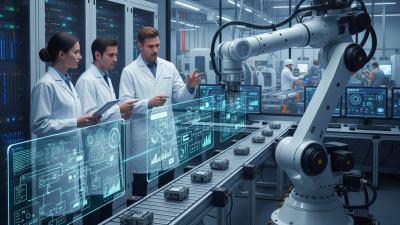
The landscape of automation engineering is rapidly transforming. According to a recent report by MarketsandMarkets, the global automation market is projected to reach $200 billion by 2026, driven by advances in technology and workforce demand. Industry expert Dr. Emily Tran emphasizes that "automation engineering is not just about efficiency; it’s a catalyst for innovation."
As businesses seek to enhance productivity, automation engineering plays a crucial role. Smart factories and IoT integrations are at the forefront of this trend. However, not all companies fully leverage these advancements. Many still rely on outdated systems that hinder growth. Adopting modern automation solutions requires an investment in knowledge and resources.
Furthermore, cybersecurity concerns also arise as automation technologies evolve. Safety measures must match speed and sophistication in automation engineering. It's clear that the future will demand not only technical skills but also critical thinking. Success in this field lies in embracing change while recognizing the need for continuous improvement.

As we approach 2026, automation engineering is undergoing significant transformations influenced by emerging technologies. Internet of Things (IoT) devices are becoming more integrated into manufacturing processes. They enable real-time monitoring, improving efficiency and reducing downtime. However, the proliferation of these devices raises concerns about security. Protecting sensitive data in interconnected systems is crucial yet often overlooked.
Artificial intelligence (AI) is another game-changer in automation. AI algorithms can analyze vast amounts of data, providing insights that drive process optimization. This technology enhances decision-making, but it also introduces challenges. Companies must consider the balance between automation and human oversight. Over-reliance on AI may lead to unintended biases in operational procedures.
Robotics is progressing rapidly, especially with collaborative robots working alongside humans. These robots enhance productivity but require careful integration into existing workflows. Not all settings are suitable for automation, and there is a need for continuous assessment. Companies must reflect on their specific needs and the potential impact on their workforce. This evolving landscape presents both opportunities and challenges for those in the field.
Artificial Intelligence (AI) plays a pivotal role in shaping future automation solutions. By integrating AI, automation engineering can achieve unprecedented efficiency. Smart algorithms enable machines to learn from data, predict failures, and optimize processes. This adaptability transforms traditional systems into self-improving entities.
Automated quality control systems benefit significantly from AI. With real-time data analysis, these systems identify defects with high accuracy. This ensures that only the best products reach consumers. However, relying solely on these systems can lead to complacency. Engineers must remain vigilant and ready to intervene if needed.
Consider regularly validating AI outputs to enhance reliability. Continuous training of AI models is essential for maintaining performance. The balance between automation and human oversight can create a more robust system. Automation should empower, not replace, human expertise in decision-making processes. This synergy fosters a healthier work environment and drives innovation forward.
Sustainability is becoming a key focus in automation engineering. As global markets face climate challenges, companies are adapting their practices. The shift toward eco-friendly solutions is evident in new technologies. For instance, energy-efficient systems are now designed to minimize waste and reduce emissions. These systems not only save costs but also appeal to environmentally conscious consumers.
Another significant trend is the integration of renewable energy sources. Automated processes are optimized to utilize solar or wind power effectively. Companies are exploring how automation can enhance energy management. However, the transition is not without challenges. Implementing these technologies often requires upfront investments and employee training. Finding the right balance between efficiency and sustainability remains a concern for many organizations.
Monitoring and improving sustainability practices is an ongoing effort. Data analytics can provide insights into resource usage. However, interpreting this data can be complex. Companies must continuously evaluate the impact of their automation strategies on the environment. This reflection is crucial to ensure that sustainability goals are met without compromising operational efficiency. As the landscape evolves, the journey toward true sustainability in automation is just beginning.
| Trend | Description | Impact Area | Expected Growth Rate (%) | Key Drivers |
|---|---|---|---|---|
| Artificial Intelligence in Automation | Integration of AI to enhance decision-making and predictive maintenance. | Manufacturing, Supply Chain | 25% | Increased data availability, Need for efficiency |
| Green Automation Solutions | Focus on reducing carbon footprint through automation technologies. | Environmental Impact, Energy Management | 30% | Regulatory pressures, Corporate sustainability goals |
| IoT Integration | Utilizing IoT devices for real-time monitoring and automation. | Process Optimization, Predictive Analytics | 20% | Advancement in IoT technology, Demand for data-driven decisions |
| Advanced Robotics | Use of more sophisticated robots for complex tasks and environments. | Manufacturing, Logistics | 15% | Workers shortage, Demand for precision in tasks |
| Cybersecurity for Automation | Ensuring security in automated systems against cyber threats. | Data Protection, System Integrity | 18% | Increasing cyber threats, Regulatory compliance |
The integration of IoT in automation engineering is reshaping industries. This trend is driven by the need for real-time data and improved operational efficiency. By connecting devices, businesses gain vital insights into machine performance. For instance, sensors can monitor the operational status of machinery, alerting teams to any issues before they escalate.
The shift toward IoT emphasizes the importance of data analytics. Automation engineers are increasingly required to analyze this data for actionable insights. However, the colossal volumes of data can overwhelm teams. They must adapt and learn new tools to derive meaningful conclusions. This shift presents both a challenge and an opportunity for professionals in the field.
Security concerns also arise with IoT integration. As systems become more interconnected, they are more vulnerable to cyber threats. Companies need to implement robust security measures to protect sensitive information. Striking a balance between connectivity and security is essential. Embracing IoT is not just about enhancing automation; it also requires ongoing reflection on the risks involved.
In today's rapidly evolving landscape, cybersecurity is becoming intertwined with automation engineering. As automation systems become more advanced, they also attract a higher risk of cyber threats. This connection emphasizes the need for a robust cybersecurity framework. Many organizations are now prioritizing this aspect in their automation strategies. They recognize that a breach could lead to malfunctions or even threaten operational safety.
Automated systems often handle sensitive data. Ensuring the integrity and security of this data is crucial. For instance, poorly secured automation processes can expose valuable information to malicious actors. This reality is prompting a cultural shift within engineering teams. They are increasingly focusing on incorporating security measures from the initial design phase. Ignoring cybersecurity during development can lead to significant vulnerabilities later on.
It's essential to consider ongoing training and awareness for teams. A well-informed workforce is the first line of defense against cyber threats. Regular updates and simulations can help teams recognize and mitigate risks. However, the challenge is maintaining this focus amidst rapid technological advancements. As automation technologies evolve, so do the tactics of cybercriminals. By staying vigilant and adapting strategies, organizations can better protect their automation systems.