How to Choose the Right PLC Control Panel for Your Needs?
Choosing the right PLC control panel is crucial for any automation project. With the rise of the Industry 4.0 era, manufacturers are seeking solutions that enhance efficiency. According to a recent report by MarketsandMarkets, the global PLC market is expected to reach $13.82 billion by 2025. This growth underscores the importance of selecting the right components for effective operations.
Expert John Smith, a recognized authority in automation systems, once stated, "The choice of a PLC control panel can make or break your entire system." This highlights the intricate balance between performance and reliability in today’s technological landscape. Selecting the wrong panel can lead to inefficiencies and increased downtime.
Many users overlook critical features, focusing only on cost. However, understanding your specific needs is essential. Each application requires distinct functionalities. Reflecting on past decisions may reveal shortcomings in panel selection. The right PLC control panel should not only meet current demands but also adapt to future advancements.
Understanding PLC Control Panels and Their Applications
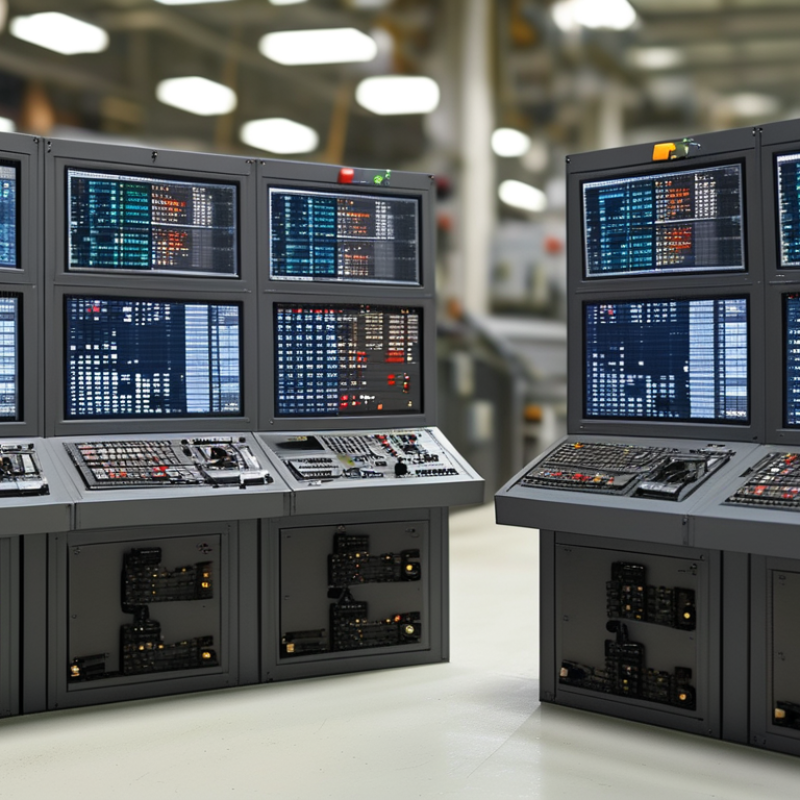
PLC control panels play a vital role in automation. They are versatile and find applications in various industries. Understanding these applications is essential for selecting the right panel. Manufacturing, water treatment, and building management systems all rely on PLC technology. Each field has unique requirements. For instance, water treatment plants need panels that are resistant to humidity. Manufacturing facilities may prioritize speed and flexibility.
Different PLC panels come equipped with various features suitable for specific tasks. Some may support complex data processing, while others focus on simple controls. When considering a panel, examine your operational needs closely. Integration capabilities are also crucial. A panel should connect easily with existing systems. Misjudging this can lead to complications.
Furthermore, the choice of I/O options in a control panel can greatly affect performance. Some tasks may require digital inputs, while others need analog capabilities. It's important to reflect on future scalability as well. As your systems evolve, will the PLC be able to adapt? Asking these questions helps ensure long-term reliability. Balancing initial costs with future needs can be challenging, but it's necessary for sustainable automation.
Key Factors to Consider When Selecting a PLC Control Panel
When selecting a PLC control panel, several key factors come into play. The first consideration is the required functionality. It’s essential to define the specific tasks the PLC will handle. According to recent industry studies, about 70% of automation projects fail due to unclear requirements. This highlights the need for a well-defined scope before even picking a panel.
Additionally, it’s vital to evaluate the environmental conditions of the installation site. Factors like temperature, humidity, and dust levels can affect the reliability of your PLC. Industry reports indicate that nearly 30% of failures in control systems are attributed to poor environmental assessments. A control panel designed for harsh conditions can save you significant maintenance costs over time.
Another aspect to consider is scalability. Your control panel should be capable of evolving with your needs. Research shows that businesses with adaptable control systems see a 40% increase in efficiency over time. This adaptability can also help mitigate future costs associated with upgrades or changes in production processes. Planning for flexibility now can prevent constraints later.
Comparing Different Types of PLC Control Panels
When choosing a PLC control panel, understanding the different types is crucial. There are modular, compact, and redundant systems. Modular panels offer flexibility. They allow for easy upgrades and repairs. However, they may require more space and a longer installation process.
Compact PLC panels are great for small environments. They save space and reduce costs but might lack expansion options. Redundant systems ensure reliability. They are ideal for critical applications, but the complexity can be daunting. Assessing your specific needs will help narrow down the options.
It’s advisable to evaluate the environment where the panel will be installed. Industrial settings may require additional protection from dust or moisture. Take your time to consider your long-term needs. A hasty decision can lead to future adjustments. Reflect on the skills of your team as well. Proper training is essential for maintaining the chosen control panel effectively.
Evaluating Technical Specifications and Features
When selecting a PLC control panel, evaluating technical specifications is crucial. Start with the processing speed. This indicates how quickly a panel can handle tasks. A faster processing speed improves efficiency, especially in complex processes. Next, consider the memory capacity. Panels with larger memory can support more extensive programming. This is often vital for applications needing advanced control features.
Another important feature is the number of I/O ports. This determines how many devices the panel can connect to. A higher number of I/O ports enables greater flexibility for future expansions. Additionally, look at communication protocols. Ensure the panel supports the protocols used in your industry. Compatibility with existing systems can save time and reduce complications.
Beyond specifications, evaluate the reliability of the manufacturer. Poor choices can lead to costly downtimes. Research their track record, but be cautious. Past performance does not guarantee future results. Gather feedback from industry peers. Their experiences can reveal real-world insights about certain panels. Reflect on how these specifications align with your specific needs. Your operational environment and future scalability should always be a priority.
PLC Control Panel Features Evaluation
Assessing Budget and Long-Term Maintenance Costs
When selecting a PLC control panel, long-term maintenance costs are crucial. Various reports indicate that maintenance can account for 15-25% of the total operating costs over a system's lifespan. This highlights the importance of considering these costs during initial planning stages.
Investing in a well-designed control panel can lead to lower maintenance expenses. For instance, user-friendly interfaces often reduce training costs. Systems that allow for remote diagnostics can save time and money on service calls, contributing to better overall efficiency. A recent study found that companies utilizing remote monitoring experienced a 30% reduction in maintenance-related downtimes.
Budget constraints can complicate these decisions. While cheaper options may be tempting, they often lack the durability and support of higher-quality systems. An inadequate control panel can lead to increased repair frequencies and higher operational risks. Addressing this gap helps establish a more reliable long-term operational strategy.