How to Choose a Dalal Vibro Finishing Machine?
Choosing the right dalal vibro finishing machine is not simply a capacity decision. It affects surface quality, labor time, energy use, and production consistency.
Grand View Research’s Metal Finishing Market report describes continued growth in finishing demand, supported by automotive, aerospace, electronics, and general engineering production. Its analysis also highlights automation and process efficiency as important market trends. These trends make machine selection more technical than it first appears. A workshop may need to process small aluminum components, hardened steel parts, or delicate castings. Each material reacts differently inside the vibrating bowl. Media shape, compound concentration, cycle time, and load ratio can change the final result.
Start with the parts.
Experienced operators normally examine batch weight, component geometry, required surface roughness, and acceptable contact marks. The machine’s working capacity should match real production, not an optimistic maximum. Overloading can reduce movement and leave burrs behind. Underloading may increase impact damage and operating cost. The ISO 21920 surface texture standards can help define measurable finishing requirements, although they do not replace practical trials. A sample test remains valuable. It exposes problems that a brochure may hide.
Energy use also deserves attention. The U.S. Department of Energy’s manufacturing efficiency guidance repeatedly connects efficient equipment selection with reduced operating waste and better process control. Variable-speed drives, reliable motors, accessible drain systems, and simple controls can support that goal. No machine is perfect. Even a well-built dalal vibro finishing machine may need different media or several trial cycles before reaching the desired finish. This guide examines those decisions carefully, using production experience, technical criteria, and credible industry evidence rather than appearance alone.
Understanding the Purpose and Working Principle of a Dalal Vibro Finishing Machine
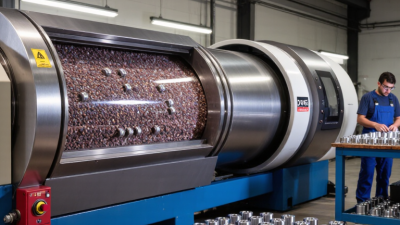
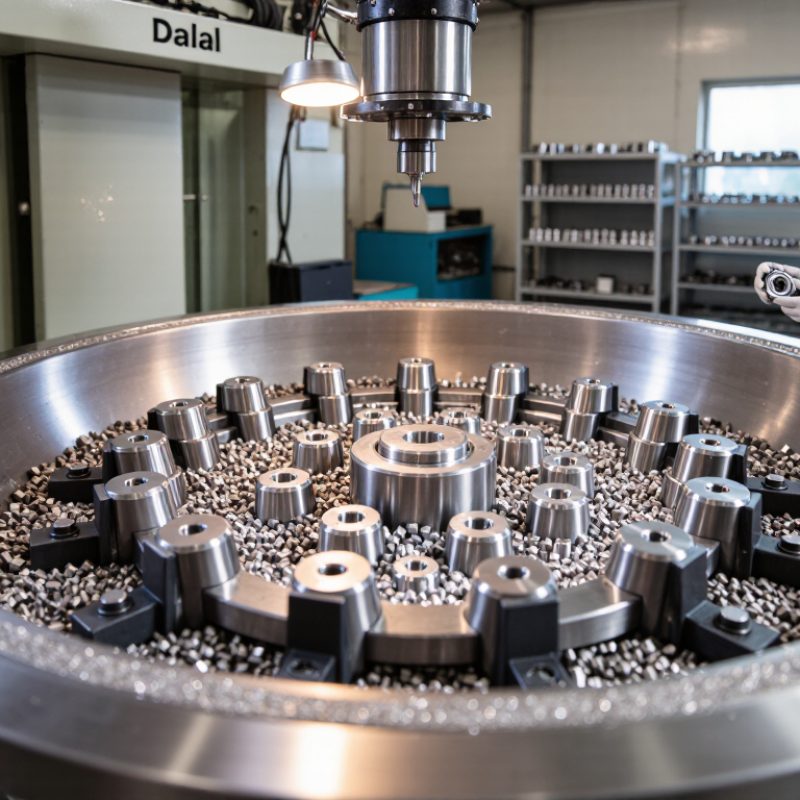
A vibro finishing machine is used to deburr, polish, clean, and soften the edges of manufactured parts. It places workpieces, abrasive media, water, and compound inside a vibrating bowl or tub. The machine creates controlled movement. Parts repeatedly rub against the media, while the compound helps remove residue and reduce friction.
The working principle is simple but easy to underestimate. An electric motor drives an unbalanced weight, producing vibration through the machine body. This motion makes the media circulate around the chamber. Each contact removes a small amount of material from sharp edges or surface marks. I have found that loading too many parts can reduce contact and create uneven results. More capacity is not always better.
When choosing a machine, match its chamber size and working load to your parts. Small components may need fine media and gentler vibration. Larger parts often require stronger movement and carefully selected media shapes. Consider cycle time, drainage, noise control, and access for cleaning. Test samples before approving a full production cycle. The final surface may look smooth but still fail a close inspection near holes or corners. That is where process records, lighting, and measured checks matter. A trial can reveal an inconvenient truth: the machine may be suitable, but the selected media may not be.
Defining Workpiece Requirements and Desired Surface Finishing Results
How to Choose a Vibro Finishing Machine?
Choosing a vibro finishing machine starts with the workpiece, not the machine catalog.
Identify the material, dimensions, weight, shape, and production quantity. Thin edges may deform, while deep cavities can retain media or compound. Record existing burrs, scratches, oxidation, and machining marks. Then define the desired result clearly: deburring, edge rounding, smoothing, polishing, or surface brightening. A visual inspection is not enough. Use surface roughness readings when the finish affects function or appearance.
Machine capacity should match the batch size and workpiece sensitivity. Small, delicate components often need gentler movement, smaller media, and shorter cycles. Large parts may require stronger action and more space inside the working chamber. Select media according to the material and target finish. Ceramic media can support controlled deburring, while plastic media may suit more sensitive surfaces. Water quality and compound concentration also influence consistency. These details are easy to overlook.
Run a trial with real production parts. Test several cycle times, media shapes, and loading ratios. Measure the parts before and after processing. Check dimensions, edge profiles, internal areas, and surface uniformity. A first trial may look acceptable, yet reveal uneven results under magnification. That mistake is useful. It shows where the process needs adjustment. Keep test records, operating settings, and inspection results. Ask for documented technical data, and verify claims through practical testing. Do not choose by machine size alone. The best fit is the process that protects the workpiece while achieving the required finish reliably.
Matching Finishing Media, Compounds, and Process Conditions
How to Choose a Dalal Vibro Finishing Machine?
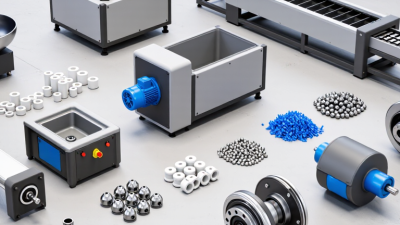
Choosing a vibro finishing machine starts with the workpiece, not the motor size. Media shape controls access to holes, corners, and recessed surfaces. Ceramic media cuts aggressively and suits steel burr removal. Plastic media usually protects softer alloys and reduces impact marks. For delicate parts, smaller media can improve coverage, but it may separate poorly during screening. That trade-off is easy to miss.
Compounds regulate cleaning, lubrication, corrosion protection, and foam control. Use a mildly alkaline compound for oily parts, then verify residue on the final surface. A high-foam formula can slow discharge and hide process instability.
Keep the working load near the machine maker’s recommended range. Underloading increases part-to-part impact; overloading reduces movement. Practical trials matter more than catalog assumptions.
The 2024 Grand View Research market analysis forecasts about 5.4% annual growth for mass-finishing equipment through 2030. This reflects stronger demand for repeatable automated finishing, not a universal recipe. ASTM B322 guidance also emphasizes controlled cleaning before electroplating, making water quality and compound carryover important process variables.
In my trials, a 10-minute cycle sometimes removed burrs but left dull surfaces. Longer was not always better. Record media ratio, compound dosage, water flow, temperature, and cycle time. Then inspect edges under consistent lighting. A small test batch can expose a costly mistake.
Evaluating Safety Features, Maintenance Needs, and Supplier Support
How to Choose a Vibro Finishing Machine?
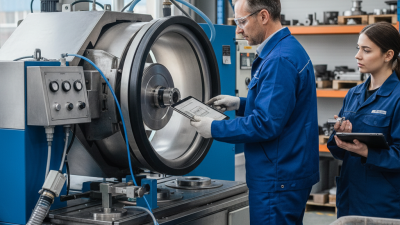
Safety should be checked before production capacity. A reliable machine needs a secure lid interlock and a clearly marked emergency stop. Guards should cover moving belts, pulleys, and exposed drive parts. Check whether the control panel prevents accidental restarting after power failure. Noise levels also matter. In a small workshop, vibration and sound can quickly become exhausting. Ask for measured operating data, not vague claims. I have seen operators overlook dust control during installation. That mistake later affected housekeeping and worker comfort.
Maintenance needs are equally important. Inspect the bowl lining, springs, bearings, belts, and drain system before purchase. The lining should resist the chosen media and workpieces. Ask how quickly worn parts can be replaced. A machine that needs specialist tools may create avoidable downtime. Request a maintenance schedule with lubrication points and inspection intervals. Keep it practical. A checklist beside the machine often works better than a thick manual.
Supplier support can determine the machine’s real value. Confirm installation guidance, operator training, troubleshooting support, and spare-part availability. Request a sample test using your actual components, media, and finishing requirements. This reveals capacity problems early. Speak with existing users if possible, especially those with similar workloads. Written response times are useful, but actual support can differ. I would also clarify warranty limits, electrical requirements, and delivery responsibilities before signing. Small omissions become expensive later.