How to Choose the Best Finishing Systems for Your Needs?

Choosing the right finishing systems affects appearance, durability, operating cost, and environmental performance. The decision is rarely about selecting the most expensive equipment. It is about matching the system to the substrate, production volume, finish specification, and workplace conditions.

Industry reports show why this choice deserves careful analysis. Grand View Research estimates that the global paints and coatings market is expanding steadily, driven by construction, automotive, industrial equipment, and infrastructure demand. Its market analysis also highlights growing interest in powder coatings and water-based technologies. These systems can reduce solvent emissions, but they still require suitable curing temperatures, controlled application, and trained operators. The U.S. Environmental Protection Agency identifies coating operations as important sources of volatile organic compound emissions. That makes ventilation, transfer efficiency, and material selection practical priorities, not merely compliance details.

A reliable evaluation begins with the real production environment. Imagine a metal enclosure leaving a wash stage with uneven moisture. A high-performance coating may still fail if pretreatment is inconsistent. Consider a wood panel moving through a fast line. Its finish may need rapid drying, low overspray, and precise film-thickness control. Small process weaknesses become visible defects.

There is no perfect system.

This guide compares finishing systems through measurable criteria, including surface preparation, application method, curing requirements, maintenance, energy use, and lifecycle cost. Manufacturer data should be checked against independent testing, technical standards, and actual trial results. Some published performance claims can appear impressive. They may not reflect your factory, climate, operators, or materials. Careful testing remains essential.
How to Choose the Best Finishing Systems for Your Needs?

Understanding Finishing Systems and Their Main Applications

How to Choose the Best Finishing Systems for Your Needs?

Understanding Finishing Systems and Their Main Applications

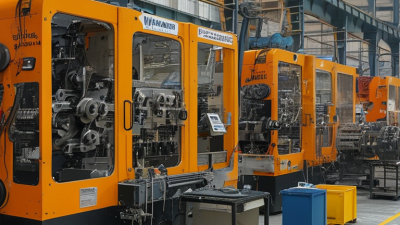
A finishing system is more than a final coating. It usually includes surface preparation, material application, curing, and inspection. Each stage affects durability, appearance, and maintenance.

Small details matter. A clean, dry surface helps coatings bond properly. Poor preparation can cause peeling, even when the finish looks excellent at first.

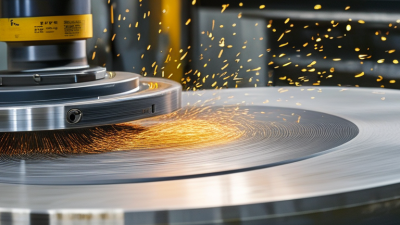
Liquid coatings suit complex shapes and projects needing precise color control. Powder coatings create a tough surface on many metal components and produce minimal liquid waste. Anodizing can improve the surface hardness of aluminum while preserving its metallic appearance. Plating supports conductivity, corrosion resistance, or a smoother visual effect. Polishing remains useful where reflection and tactile quality matter, such as handles, panels, and decorative parts.

The right choice depends on the substrate, operating environment, production volume, and expected service life. Outdoor equipment may need strong resistance to moisture and ultraviolet exposure. Interior fixtures may focus more on cleanability and appearance. In my experience, teams sometimes choose a finish from a sample photograph alone. That assumption fails. Small test panels, adhesion checks, thickness measurements, and exposure testing provide better evidence. I have also seen attractive finishes selected without considering repair methods. This creates avoidable costs later. A reliable decision should compare performance data, application limits, worker safety requirements, and long-term maintenance before production begins.

Defining Your Material, Performance, and Appearance Requirements

How to Choose the Best Finishing Systems for Your Needs?

Choosing a finishing system begins with defining the material, performance demands, and visual goals. A finish should support the substrate, not simply cover it. Start by identifying whether the surface is steel, aluminum, plastic, wood, or a composite. Each material reacts differently to cleaning, heat, moisture, and preparation. Surface preparation changes the result dramatically. Oil, dust, oxidation, or uneven texture can weaken adhesion. Do not assume a premium-looking finish will correct poor preparation.

Performance requirements should be measurable before selecting a process. Consider abrasion, corrosion, chemical exposure, impact, temperature, and cleaning methods. Outdoor equipment may need stronger weather resistance than indoor fixtures. High-use surfaces often require better scratch resistance and easier maintenance. Application temperature and curing time also affect production reliability. I have seen a coating perform well in testing but fail after installation because the surface was handled too soon. The specification was incomplete. Small test panels reveal these risks early.

Appearance includes gloss, color, texture, transparency, and visual uniformity. Ask how the finish will look under actual lighting, not only in a sample room. A textured surface can hide minor marks, while a high-gloss surface may highlight every defect. Color consistency becomes important when parts are produced in different batches. I once treated appearance as a secondary concern, and that choice created costly rework. A better evaluation compares appearance with service conditions, cleaning routines, and expected wear. Measure twice. Specification details are rarely exciting, but they prevent avoidable surprises.

How to Choose the Best Finishing Systems for Your Needs?

Define the material, performance, and appearance requirements before selecting a finishing system. The chart shows commonly used 60° gloss ranges for appearance selection. Gloss is measured in gloss units (GU) according to methods such as ASTM D523 or ISO 2813; exact category limits may vary by specification.

Selection guidance: Confirm substrate compatibility first, then define performance needs such as abrasion, chemical, moisture, UV, and temperature resistance. Finally, select the appearance range that supports the visual and maintenance goals of the finished surface.

Comparing Finishing Methods, Equipment, and Operating Costs

Choosing a finishing system starts with the product, not the equipment catalogue. Liquid spray suits frequent color changes and complex shapes, but solvent, booth ventilation, and skilled labor increase operating costs. Powder coating usually reduces VOC emissions, and the U.S. Environmental Protection Agency reports that powder contains little or no solvent. However, it needs curing ovens, recovery equipment, and compatible heat-resistant materials.

Equipment energy can quietly dominate the budget. The U.S. Department of Energy reports that compressed air may consume 10–15% of a plant’s electricity. Leaks, excessive pressure, and poor nozzle selection make this worse. Anodizing offers durable corrosion protection, but chemical baths require monitoring, wastewater controls, and trained operators. A cheaper line can become expensive through rework.

Tips: Measure coating use per finished unit. Track electricity, labor, maintenance, and rejected parts for three months. Ask operators where defects begin. A spreadsheet is useful, but it will not reveal every production problem. The International Energy Agency also identifies motor-driven systems as major industrial electricity users, so oven fans, pumps, and conveyors deserve separate meter readings. I would not choose the fastest system automatically. A slower process with stable transfer efficiency may cost less over a full year. Test small batches under real humidity and loading conditions. Reports provide averages; your factory may behave differently.

Evaluating Durability, Safety, Environmental, and Maintenance Factors

How to Choose the Best Finishing Systems for Your Needs?

Durability starts with exposure, not appearance. Define moisture, chemicals, abrasion, ultraviolet light, temperature changes, and cleaning frequency. The NACE IMPACT study estimated global corrosion costs at 3.4% of worldwide gross domestic product. That figure makes premature coating failure expensive, even when the initial finish looks attractive. Choose systems with documented resistance data, suitable film thickness, and verified substrate preparation. Field inspections often reveal the weak point: poor preparation, not poor chemistry.

Safety requires more than selecting a low-odor product. The U.S. Bureau of Labor Statistics recorded 2.6 million nonfatal workplace injuries and illnesses in private industry during 2023. Review safety data sheets, ventilation needs, curing conditions, and application equipment before approval. Protect workers from vapors, dust, splashes, and awkward handling. Ventilation matters. A rushed application can create hidden exposure risks and uneven protection.

Environmental performance should include the full service life. Compare volatile organic compound content, solvent use, overspray waste, packaging, and expected replacement intervals. The U.S. Environmental Protection Agency’s National Emissions Inventory tracks emissions from surface-coating activities, supporting more informed process comparisons. Maintenance also deserves measurement. Ask whether the surface can be cleaned without aggressive chemicals and repaired without stripping the entire area. Lower purchase cost may still mean higher waste. I would test a small area first, because laboratory claims do not always match real cleaning routines, weather, or operator habits.

Selecting and Validating the Best System for Your Specific Needs

Selecting a finishing system should begin with the part, not the product catalogue. Define the substrate, service temperature, exposure, appearance, and repair conditions. A system that performs well in a laboratory may fail after repeated cleaning, impact, or humidity cycles. I have seen teams overlook edge coverage and cure time. That mistake becomes expensive during production.

Grand View Research’s 2024 Paints and Coatings Market report estimates the global market reached USD 206.56 billion in 2023. This growth increases the number of technical options, but more choices can create weaker decisions. Compare systems using measurable criteria: adhesion, abrasion resistance, corrosion protection, film thickness, curing energy, emissions, and lifecycle cost. Request documented test methods, not only performance claims. Then test coated samples using your actual substrate and application equipment.

Tips: Create a weighted scorecard before testing. Include production operators in the review. Record surface preparation, temperature, humidity, and cure conditions. Use recognized methods such as ASTM or ISO procedures where suitable. Inspect edges, holes, corners, and repaired areas. Test the least favorable condition, not only the ideal one. No test is perfect. That gap deserves discussion. Validate small batches first, then monitor defects, rework, and maintenance costs during scale-up. A finish may look excellent on day one, yet show poor adhesion after moisture exposure. That is why field feedback should remain part of system approval.