
Selecting the right Flexible Pcbs for your project can be challenging. These specialized circuit boards offer versatility and adaptability in design. However, not all flexible PCBs are created equal. The material, thickness, and copper weight can vary significantly. Understanding these factors is crucial to making an informed choice.
Consider your project requirements carefully. For example, if your device needs to bend frequently, choose a PCB with high flexibility. If durability is essential, opt for robust materials. Pay attention to substrate types; they can affect performance significantly. A well-chosen flexible PCB can enhance your product's functionality.
Reflection is necessary throughout this process. Are you prioritizing cost over quality? The cheapest option may compromise your project’s success. Balancing performance and budget is vital. In an ever-evolving tech landscape, making the right choice can set your project apart.
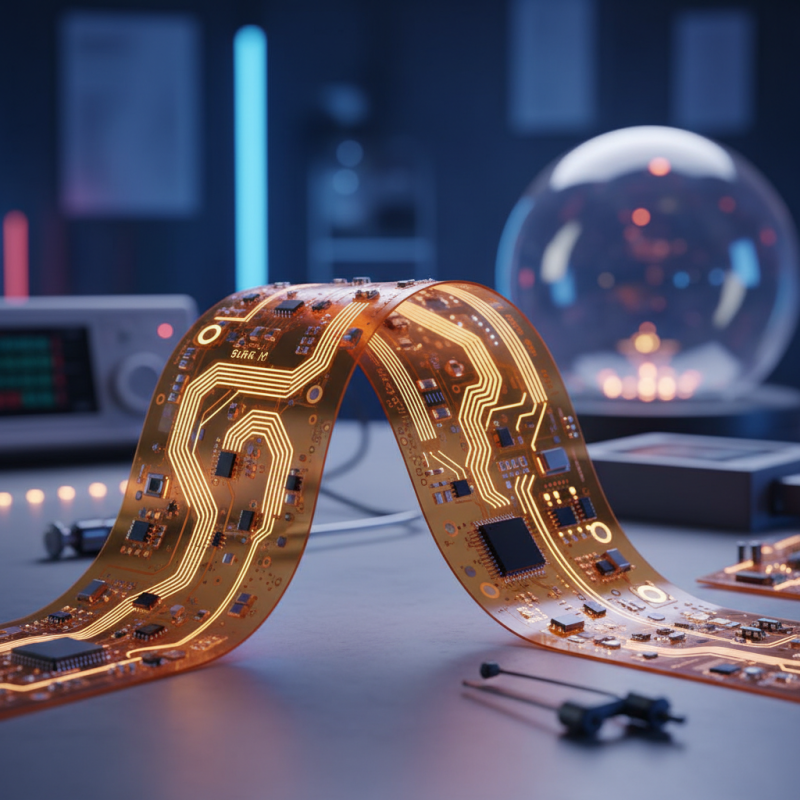
Flexible printed circuit boards (PCBs) are a crucial innovation in the electronics field. They are built on a thin, flexible substrate, allowing them to bend and twist without breaking. Their unique design enables them to fit into compact spaces, which is essential for modern devices. From smartphones to medical devices, flexible PCBs play a significant role.
In applications where weight and space are critical, flexible PCBs shine. They can easily be integrated into wearable technology, improving comfort and usability. Some users may worry about durability. While flexible PCBs are generally robust, they can face wear and tear over time. Overheating and excessive bending can cause failures. It's essential to evaluate the environment in which they'll be used.
Despite their benefits, they aren't the perfect solution for every project. Cost can be an issue, as manufacturing flexible PCBs often requires more advanced technology. Additionally, design complexity can lead to longer production times. Developers need to weigh these factors when deciding if a flexible PCB is the right choice for their projects. Exploring alternative options might be necessary.
When selecting flexible PCBs, the choice of material is critical. Typical materials include polyimide and polyester. Polyimide offers high-temperature resistance, while polyester is more economical. Your project requirements will dictate the best option. Consider the environment in which the PCB will operate. This can affect longevity and performance.
Thickness plays a vital role too. Flexible PCBs vary in thickness, often between 0.1 mm and 0.5 mm. Thinner boards are more adaptable but may lack some durability. Thicker boards provide strength, making them suitable for harsh conditions. Assess the specific needs of your device. A miscalculation in thickness could jeopardize performance.
Durability is another essential characteristic. Flexible PCBs must endure bending and twisting. Look for options that withstand mechanical stress. They should also resist environmental factors like moisture or chemicals. Testing the durability can be challenging. It can sometimes lead to unexpected failures in real-world applications. Balancing all these factors requires careful consideration. Your project’s success hinges on these choices.
When evaluating manufacturing techniques for flexible PCBs, it's crucial to understand the types and processes involved. Flexible PCBs are made using various materials, including polyimide and polyester. Each material has distinct properties that affect flexibility, durability, and thermal performance. Polyimide, for example, offers excellent thermal stability, while polyester is more cost-effective but less resistant to extreme conditions.
Tip: Always review the application requirements before selecting PCB materials. Different projects may demand unique characteristics, such as stiffness or bendability.
The processes used in producing flexible PCBs vary widely. Common methods include additive printing and subtractive etching. Additive printing tends to offer better resolution for intricate designs. However, it may not be suitable for all applications. Subtractive etching allows for mass production but can produce waste materials, leading to environmental concerns.
Tip: Consider the environmental impact of your manufacturing choices. Reducing waste can enhance sustainability in your projects.
It's vital to reflect on your specific needs. Are you prioritizing cost, performance, or sustainability? These factors will determine the best approach for your flexible PCB project. Balancing these aspects can be challenging but rewarding.
When budgeting for flexible PCBs, consider various factors. Quality often comes with a higher price tag. A low-cost option might save money upfront but can lead to issues later. For instance, poor conductivity can cause device failures. Invest in high-quality materials, as they offer better performance.
Furthermore, production complexity affects costs. Simple designs are typically less expensive. However, if your project requires intricate connections, expect to pay more. Additionally, consider quantities. Ordering in bulk usually reduces the cost per unit.
Don't overlook prototype costs. It's vital for testing your design. A prototype might seem like an added expense, but it saves money in the long run by identifying flaws early. Balancing cost and quality is tricky. Often, compromises lead to regrets later. As you navigate these choices, reflect on project goals continuously.
This bar chart illustrates the estimated costs associated with various types of flexible PCBs based on material and complexity. Understanding these costs can help you budget effectively for your project.
Quality assurance in flexible printed circuit boards (PCBs) plays a crucial role in project success. Testing standards and certifications ensure these components meet performance criteria. According to a recent industry report, about 70% of failures in electronic devices stem from PCB issues. This highlights the importance of rigorous testing.
Common testing standards include IPC-6013 and IPC-A-600. These standards provide guidelines for the manufacturing and quality of flexible PCBs. They specifically address issues like dimensional tolerances and surface finishes. Certification bodies such as UL and CE ensure compliance with safety regulations. Yet, many manufacturers overlook these certifications, risking poor performance.
Another aspect is environmental stress testing. This includes thermal cycling and humidity exposure. The failure rates can be significantly high without adequate testing. A study showed that improperly tested flexible PCBs had up to 40% early failure rates in some high-stress applications. It's imperative to invest time in quality assurance protocols to minimize risks. Each step counts.
| Dimension | Description | Testing Standard | Certification |
|---|---|---|---|
| Material Type | Polyimide, PET, or PEN | IPC-6013 | UL Certification |
| Layer Count | 1 to 8 Layers | IPC-2221 | ISO 9001 |
| Thickness | 50 µm to 250 µm | IPC-6012 | RoHS Compliance |
| Minimum Trace Width | 3 mils | IPC-2221C | ISO/TS 16949 |
| Flexibility | High, Low, or Rigid-Flex | IPC-A-600 | IATF 16949 |
