Best Vibratory Finishing Equipment for Global Buyers?
In the realm of industrial manufacturing, vibratory finishing equipment plays a crucial role. This equipment enhances the surface quality of various metal parts, making them smoother and more visually appealing. According to a report by MarketsandMarkets, the global vibratory finishing equipment market is expected to reach $1.2 billion by 2025, growing at a significant rate. This growth signifies the increasing demand from industries such as automotive, aerospace, and electronics.
However, selecting the right vibratory finishing equipment is not straightforward. Different applications require different types of machines. Buyers must consider factors such as part geometry, finish requirements, and material types. Numerous options are available in the market, but they vary widely in quality and performance. Some machines may not deliver the desired results, leading to unsatisfactory finishes and increased operational costs.
This challenges buyers to conduct thorough research and seek expert advice. A well-informed choice can significantly impact productivity and product quality. Understanding the nuances of vibratory finishing will ensure investment in the right equipment, ultimately enhancing the competitiveness of businesses in a global marketplace that is consistently evolving.
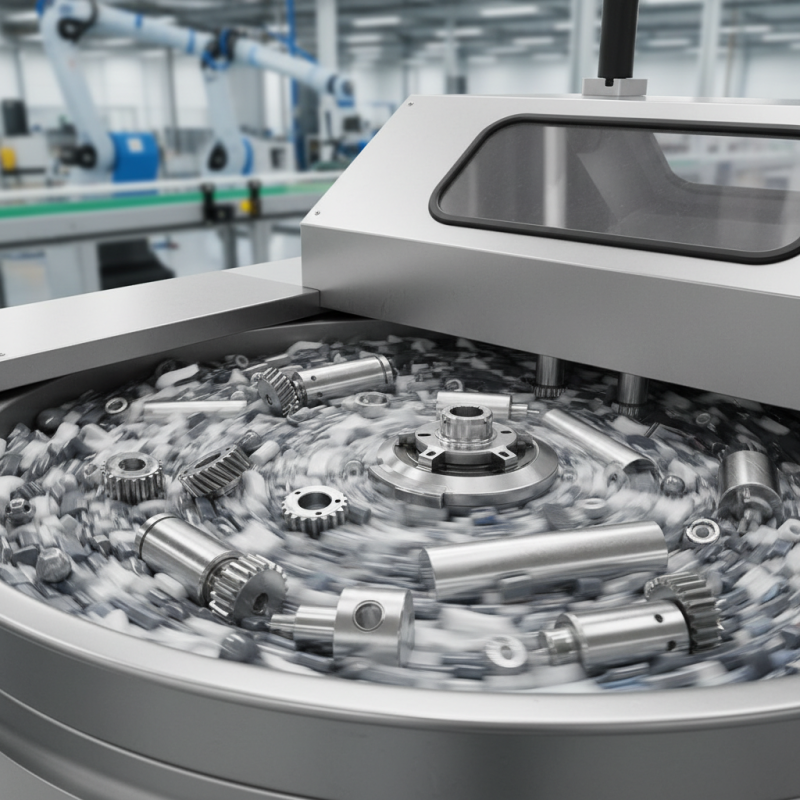
Overview of Vibratory Finishing Equipment
Vibratory finishing equipment plays a crucial role in many industries, particularly in metalworking and manufacturing. These machines are designed to smooth, polish, and improve the surface finish of workpieces. According to a recent industry report, the global vibratory finishing equipment market is expected to grow at a compound annual growth rate (CAGR) of 5.2% from 2023 to 2031. This growth reflects the increasing demand for precision-engineered components across various sectors.
The technology behind vibratory finishing relies on controlled vibrations to promote abrasion between workpieces and media. Commonly used media materials include ceramic, plastic, and even natural materials. A study by the American Society of Mechanical Engineers highlights that the choice of media significantly affects the finishing results. An incorrect media selection can lead to subpar surface quality and increased processing time. This makes understanding the application-specific needs vital for manufacturers aiming for efficiency.
Moreover, some challenges exist in using vibratory finishing equipment. For instance, over-finishing can damage delicate components. Additionally, achieving uniform results across different batch sizes can be difficult. Continuous monitoring and adjustments are necessary to mitigate these issues. Companies must remain vigilant in quality control to ensure their finishing processes meet industry standards.
Vibratory Finishing Equipment Overview
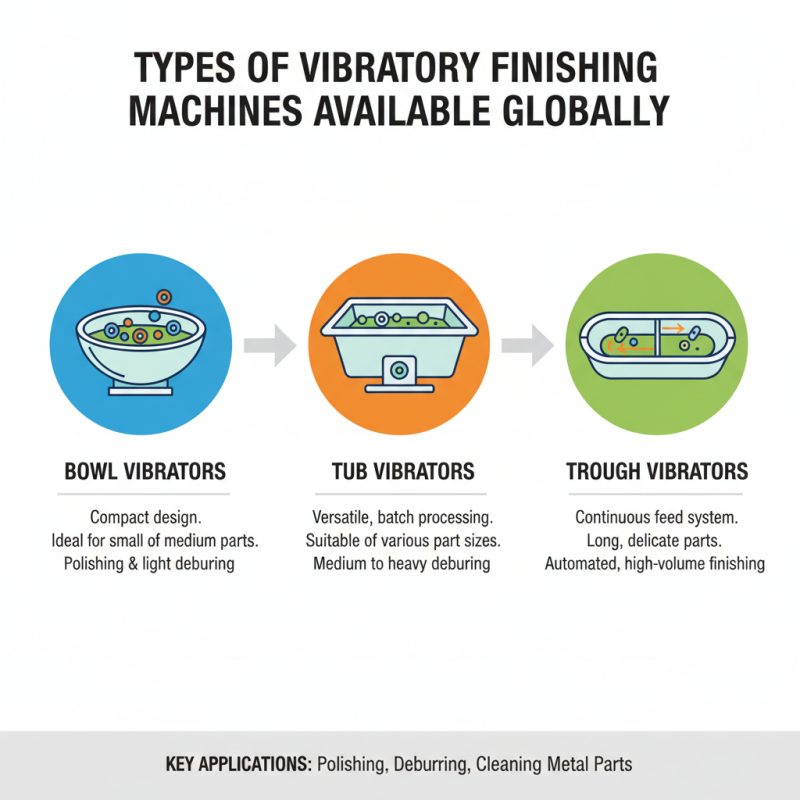
Types of Vibratory Finishing Machines Available Globally
Vibratory finishing machines play a crucial role in surface preparation across various industries. These machines are designed to polish, deburr, and clean metal parts effectively. Globally, there are several types of vibratory finishing machines available to meet diverse operational needs. Common types include bowl, tub, and trough vibrators, each customized for specific applications and materials.
Bowl vibrators are particularly popular in industries requiring precision and uniform finishing. Their design ensures efficient processing of small to medium-sized parts. Research indicates that bowl vibrators can increase finishing efficiency by up to 40%. Tub vibrators, on the other hand, accommodate larger and bulkier items. They provide a gentler finishing action, making them suitable for delicate components. This versatility highlights the importance of selecting the right machinery for specific tasks.
Trough vibrators are ideal for long or oddly shaped items. They allow for a continuous flow of workpieces, optimizing production. Data from industry reports show that the market for vibratory finishing equipment is projected to grow at a compound annual growth rate (CAGR) of 5.5% over the next five years. However, operators must consider variables such as media choice and machine configuration. The interplay of these factors can significantly impact results, emphasizing the need for careful planning and adjustment in operations.
Key Features to Consider in Vibratory Finishing Equipment
When selecting vibratory finishing equipment, key features make a significant difference. It's essential to consider the bowl shape. Different shapes dictate how parts move and interact within the machine. A well-designed bowl allows for uniform movement, ensuring consistent finishing quality.
Another vital feature is the material of construction. Durable materials can withstand the abrasive nature of the media used. Stainless steel is often preferred for its ability to resist corrosion and wear. This choice directly impacts the lifespan of the equipment.
Tips: Focus on energy efficiency. This will lower operational costs while maintaining performance. Explore equipment with adjustable vibration settings for different materials. Customization is crucial for achieving desired finishes and coating applications.
Lastly, assess the ease of maintenance. Equipment that is hard to maintain can impact productivity. Regular maintenance ensures consistent performance, but it should not consume excessive time. Take the time to evaluate these features, as they influence performance and operational costs.
Top Manufacturers and Brands of Vibratory Finishing Machines
Vibratory finishing equipment plays a crucial role in various manufacturing processes. This machinery helps remove unwanted materials and improves surface quality. When seeking the best options, understanding key manufacturers and brands is essential.
Some of the top manufacturers excel in producing innovative vibratory finishing machines. They focus on durability and performance, ensuring that their products meet diverse customer needs. While many companies claim expertise, not all deliver consistent results. Buyers should consider customer reviews and industry ratings to find reliable suppliers.
Tips: Always assess your specific finishing needs. Look for equipment that provides adjustable parameters. This flexibility can enhance the finishing process.
Additionally, consider the maintenance requirements of the machines. Frequent maintenance can lead to additional costs and downtime. Ensure that you’re buying from a manufacturer that offers robust after-sales support.
Inquire about the warranty offered. A longer warranty period often indicates the manufacturer's confidence in their product. It can also save you money in the long term.
Maintenance and Best Practices for Vibratory Finishing Equipment
Vibratory finishing equipment plays a crucial role in enhancing surface quality in various industries. Regular maintenance is essential to ensure optimal performance. Failing to clean the equipment can lead to residue buildup, which affects the finish quality. Operators should regularly inspect the process media and adjust it as needed. Moisture levels in the media must be monitored. Too much moisture can lead to clumping, while too little can cause excessive wear.
It's important to check the motor and its components frequently. Bearings and belts require attention to prevent costly breakdowns. Operators should create a checklist to track maintenance tasks. An underperforming machine often indicates a need for calibration or replacement parts. In such instances, it's vital to consult the equipment manual. Users can encounter challenges if they neglect these routines.
Training staff on proper operation techniques can lead to significant improvements. Engaging employees in discussions about issues fosters a culture of accountability. Overlooking common mistakes can waste valuable resources. Regular feedback from operators can help identify areas needing improvement. Ensuring continuous learning and adaptation enhances overall efficiency.