Top 10 Benefits of Using PLC Control Panels in Industrial Automation
In modern industrial automation, the implementation of PLC control panels has revolutionized the way processes are managed and controlled. These panels serve as the backbone of automated systems, providing operators with the ability to monitor, control, and optimize various industrial operations efficiently. By integrating various inputs and outputs, PLC control panels enable seamless communication between machinery, reducing downtime and enhancing productivity across different sectors.
The benefits of utilizing PLC control panels in industrial environments are manifold. Not only do they offer enhanced flexibility and scalability to accommodate evolving operational needs, but they also significantly improve safety and reliability within the workplace. The user-friendly interfaces available with PLC control panels empower even non-technical personnel to interact with complex automated systems, fostering a culture of efficiency and responsiveness. As industries continue to embrace automation, understanding the top benefits of PLC control panels becomes essential for businesses aiming to maintain a competitive edge in an ever-evolving market landscape.
Understanding PLC Control Panels: Definition and Functionality
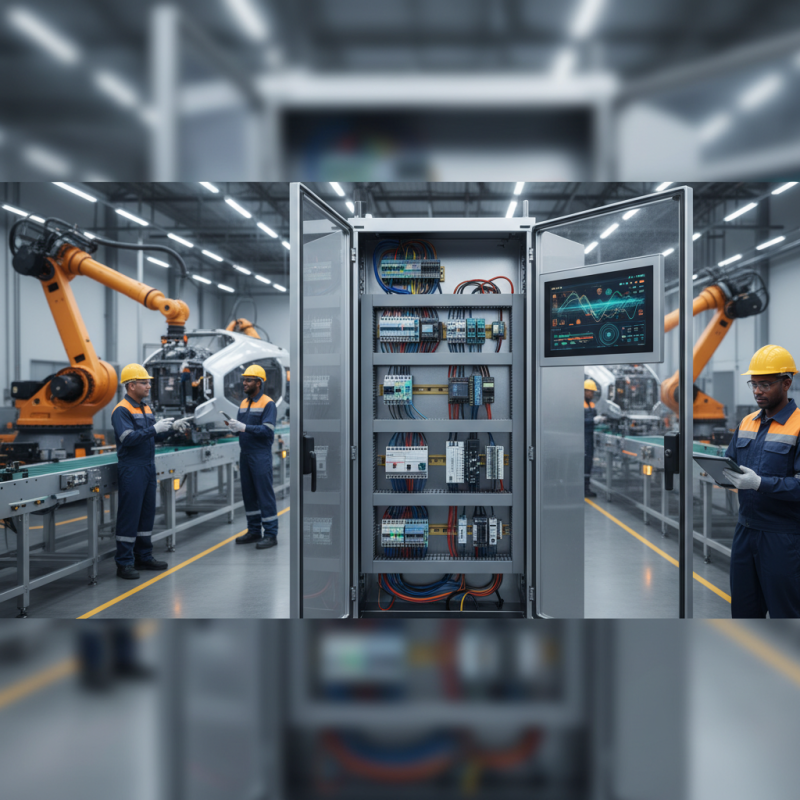
PLC (Programmable Logic Controller) control panels are crucial components in the realm of industrial automation. These devices serve as the brain behind automated processes, allowing operators to monitor and control machinery with precision. A PLC control panel typically integrates various input and output modules, providing a centralized location for wiring connections and ensuring streamlined operations. By executing user-defined logic, these panels facilitate real-time decision-making, enhancing productivity and efficiency in manufacturing environments.
When setting up a PLC control panel, it's essential to prioritize organization and clarity in wiring. Proper labeling of wires and components not only simplifies troubleshooting but also reduces downtime during maintenance. Additionally, taking the time to develop a comprehensive documentation folder for your PLC program can be beneficial. This should include flowcharts and logic diagrams that depict how the system operates, allowing new engineers to understand the configuration quickly.
Moreover, regular updates and thorough testing of PLC programs ensure optimal performance and safety. It’s advisable to implement a robust backup strategy for your PLC configurations, as this minimizes the risk of data loss in the event of system failure. By following these practices, businesses can maximize the advantages offered by PLC control panels, driving greater efficiency and reliability in their automated operations.
Top 10 Benefits of Using PLC Control Panels in Industrial Automation
| Benefit |
Description |
| Increased Efficiency |
PLC control panels automate processes, leading to faster operations and reduced cycle times. |
| Flexibility |
Easily reconfigurable for different tasks and processes, enabling quick adaptation to changes in production lines. |
| Improved Accuracy |
Minimized human error by providing precise control over machinery and processes. |
| Real-Time Monitoring |
Facilitates constant monitoring of system performance, allowing for timely interventions if needed. |
| Scalability |
Easy to scale up or down based on production needs without significant changes to the overall system. |
| Cost Efficiency |
Reduces operational costs by enhancing efficiency and minimizing waste. |
| Enhanced Safety |
Improves workplace safety through automation, reducing the risk of accidents and injuries. |
| Data Collection |
PLC systems gather data that can be analyzed for better decision-making and process improvement. |
| Integration |
Seamlessly integrates with other automation systems and software to optimize overall operations. |
| Remote Accessibility |
Allows for remote management and troubleshooting of control systems from anywhere. |
Enhanced Efficiency through PLC Control Panels in Industry
In today's industrial landscape, enhanced efficiency is a crucial objective, and PLC (Programmable Logic Controller) control panels play a vital role in achieving this goal. By automating processes, PLC control panels streamline operations, significantly reducing the time and effort needed for manual intervention. This automation not only helps in minimizing human error but also ensures that processes run smoothly and consistently, allow factories to maintain high productivity levels.
Moreover, PLC control panels offer advanced monitoring and control capabilities that contribute to operational efficiency. They enable real-time data collection and analysis, allowing operators to make informed decisions based on current conditions. Through this instant feedback, industries can quickly identify bottlenecks and inefficiencies, leading to prompt corrective actions. As a result, the overall performance of industrial operations improves, fostering a proactive approach to maintenance and resource management, ultimately leading to cost savings and higher output.
Top 10 Benefits of Using PLC Control Panels in Industrial Automation
This bar chart illustrates the top 10 benefits derived from using PLC control panels in industrial automation, showcasing scores based on research findings. The benefits, measured on a scale of 0 to 100, highlight how PLC systems enhance operational efficiency and effectiveness in industrial settings.
Improved Safety Features of PLC Control Panels
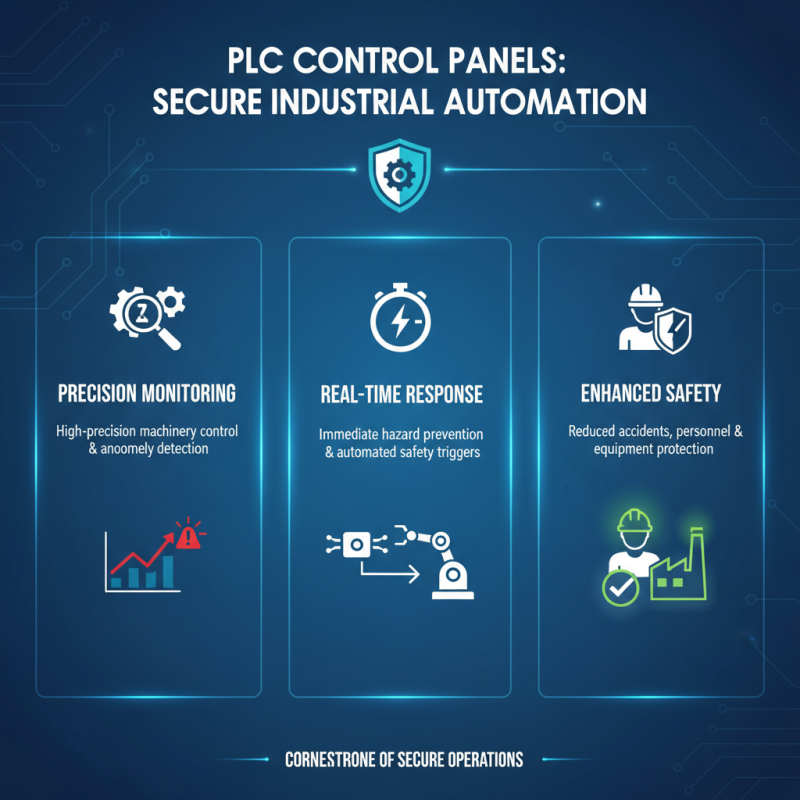
The implementation of PLC (Programmable Logic Controller) control panels in industrial automation has significantly improved safety features, becoming a cornerstone for ensuring secure operations. One notable aspect of these systems is their ability to monitor and control machinery with high precision. PLC control panels can quickly detect anomalies or malfunctions in equipment, triggering immediate responses that prevent potential hazards. This real-time monitoring capability reduces the risk of accidents, thereby safeguarding personnel and equipment.
Moreover, PLC control panels often incorporate safety protocols and fail-safes in their programming. Features such as emergency stop functions and interlocks are built into the system, allowing operators to swiftly halt processes in case of emergencies. The flexibility of PLC programming also enables the adaptation of safety measures tailored to specific operational environments, enhancing overall workplace safety. This tailored approach ensures compliance with industry safety standards and regulations, providing an added layer of protection for both users and machinery.
In addition to proactive safety measures, PLC control panels contribute to a culture of safety awareness in the workplace. Operators and maintenance personnel are often trained to understand the systems' safety mechanisms, promoting a deeper understanding of potential hazards and the importance of precautionary measures. By fostering an environment that prioritizes safety, organizations can minimize risks and ensure the well-being of their workforce while maintaining efficient production processes.
Cost-Effectiveness of Implementing PLC Control Panels
Implementing PLC (Programmable Logic Controller) control panels in industrial automation can significantly enhance cost-effectiveness for businesses. According to a report from the International Society of Automation, companies that integrated PLC systems observed an average reduction in operational costs by approximately 20%. This efficiency can largely be attributed to the ability of PLCs to optimize processes and reduce downtime, which minimizes labor costs and increases productivity.
Investing in PLC control panels also leads to long-term financial benefits. For instance, a study by the Automation Federation noted that industries utilizing PLC systems reported a decrease in maintenance costs by around 30% due to the centralized control and ease of troubleshooting that these systems provide. This not only translates to lower expenses but also contributes to better resource allocation within facilities.
Tips for maximizing cost-effectiveness with PLC control panels include regular training for operators to enhance their skills in managing these systems and maintaining a scheduled maintenance program to ensure equipment remains in top condition. Additionally, integrating PLCs with other automation technologies can further streamline processes and yield significant savings. This holistic approach to automation not only improves efficiency but also fosters innovation in manufacturing processes.
Scalability and Flexibility Offered by PLC Control Panels
The scalability and flexibility offered by Programmable Logic Controller (PLC) control panels are pivotal advantages in industrial automation. As industries evolve, the need for adaptable systems becomes paramount. According to a report by Markets and Markets, the global industrial automation market is expected to reach $296.70 billion by 2026, driven largely by the demand for flexible manufacturing systems. PLC control panels provide the capability to easily reconfigure and expand automation processes without significant downtime. This adaptability allows businesses to respond swiftly to changing production requirements or to integrate new technologies seamlessly, facilitating a more agile manufacturing environment.
In addition, PLC systems are designed to support a wide range of industrial applications, which underscores their versatility. The ability to scale from small operations to complex production lines is a critical factor for many organizations. A study from the International Society of Automation indicates that companies leveraging PLC systems report a reduction of up to 30% in operational costs due to improved efficiency and reduced downtime during expansions or modifications. This flexibility in scaling ensures that companies can invest in their automation infrastructure gradually, aligning with their growth trajectory while maximizing return on investment. Ultimately, the combination of scalability and flexibility positions PLC control panels as essential components in the ongoing journey toward advanced industrial automation.